


Hearing health is a significant aspect of well-being, yet it's often overlooked. Many individuals, mostly adults, tend to neglect regular hearing checkups. This can lead to various issues, including social withdrawal, miscommunication, and even mental health challenges.
For couples, addressing hearing health is key, as it can enhance communication, foster emotional connections, and contribute to a higher quality of life. This article explores how couples can encourage one another to prioritize regular hearing checkups and make informed decisions about their auditory health.
The Importance of Hearing Checkups
Regular hearing checkups are vital for detecting potential issues early. Hearing loss can occur gradually, making it challenging for individuals to notice changes in their hearing abilities.
Over 1.5 billion people globally experience some form of hearing loss. Early detection and intervention can significantly improve the quality of life for individuals with hearing difficulties. By prioritizing hearing health, couples can help each other maintain social connections and participate in conversations without frustration.
Untreated hearing loss can lead to cognitive decline. Studies suggest a link between untreated hearing loss and increased risks of dementia and depression. Engaging in discussions about hearing health can encourage couples to motivate each other to seek help, ensuring they remain engaged and connected.
Recognizing Signs of Hearing Difficulties
Couples should be aware of the subtle signs indicating potential hearing difficulties. These signs can include consistently asking for repetitions during conversations, increasing the volume of television or music, or having difficulty recognizing sounds in noisy environments.
Bringing awareness to these signs will allow couples to approach the topic with sensitivity and care. Partners can create a safe space for discussion by observing changes in each other's behavior concerning hearing.
Engaging in routine conversations about each other's health, including hearing, fosters an environment where both partners feel comfortable sharing concerns. Routine discussions about health can normalize the idea of regular hearing checkups and encourage proactive behavior.
Utilizing Technology to Monitor Hearing Health
Technology can play a crucial role in monitoring hearing health. Couples can use various apps and devices designed to help track hearing loss and suggest ways to maintain ear health.
Some smartphone applications offer hearing tests that users can take together, making it a fun and engaging activity. These tests can provide insights into whether it’s time to visit a hearing specialist.
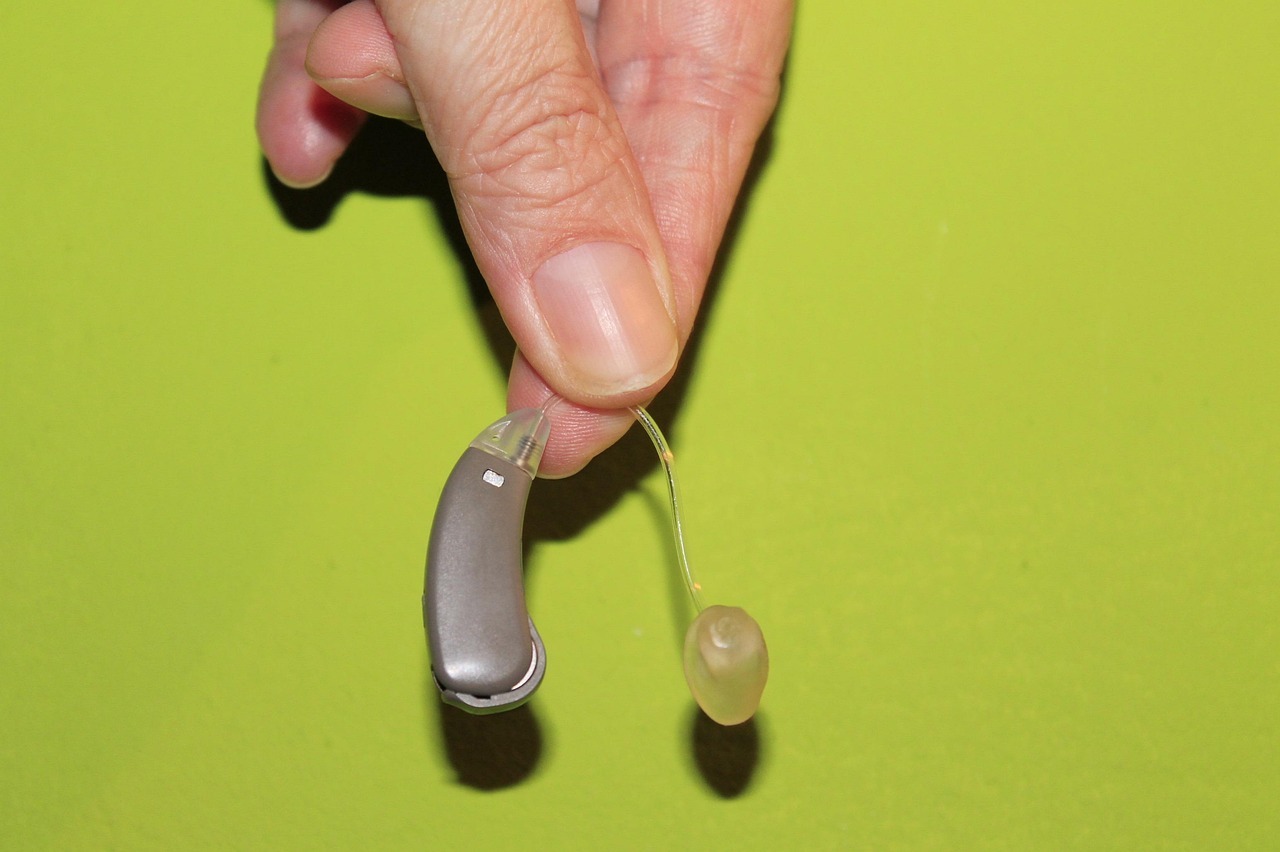
Tools like these can contribute to a proactive approach to hearing health. Couples can research hearing aids or assistive listening devices together.
Understanding the latest technology in hearing assistance can demystify the process of seeking help. Couples visiting specialized clinics, such as the Owl Hearing Clinic, can learn more about hearing aids and services tailored to their needs. This shared involvement often creates a supportive environment that encourages timely action and better long-term hearing outcomes.
Creating a Supportive Environment
Support is vital for encouraging regular hearing checkups. Couples can create a supportive environment where discussing hearing health feels natural.
This can be achieved through sharing experiences with health professionals, discussing hearing health openly, or narrating personal stories about others who benefited from regular checkups. Open dialogue removes the stigma often associated with hearing difficulties and enhances understanding.
Couples can set reminders for each other about hearing checkups. Incorporating hearing health appointments into their routine can solidify the importance.
If both partners schedule their checkups at the same time, it can create a sense of teamwork, transforming a seemingly daunting task into a shared commitment. Such shared commitments can further strengthen the bond between partners.
Fostering Open Communication
Communication is key to any relationship when discussing sensitive subjects like hearing health. Couples should practice open communication styles that encourage honesty and support.
Partners need to express their concerns without fear of judgment. This can be achieved through active listening and empathy. When one partner discusses discomfort or signs of hearing loss, the other should respond positively to foster trust.
Ensuring that conversations occur in a suitable environment, such as a quiet space, can significantly affect the quality of communication. Proper settings can reduce background noise and distractions, facilitating a smoother dialogue. Effective communication enhances the openness that is critical for discussing hearing checkups.
Encouraging Professional Support
Beyond individual motivation, seeking professional support plays a crucial role in encouraging regular hearing checkups. Couples should feel empowered to approach hearing specialists together, reinforcing the importance of hearing health. They can explore community resources available for assistance, such as support groups or audiology workshops.
Accessibility to professional support can ease the burden of seeking help, transforming the experience into one of positive growth for the couple. By emphasizing that seeking professional assistance is a sign of strength, couples can alleviate the stigma around needing support, making the journey toward better hearing health more accessible and collaborative.
Prioritizing hearing health strengthens relationships, enhances communication, and contributes to emotional well-being. By encouraging regular hearing checkups, couples help each other navigate life's auditory challenges together, fostering a deeper connection and a more fulfilling partnership.