
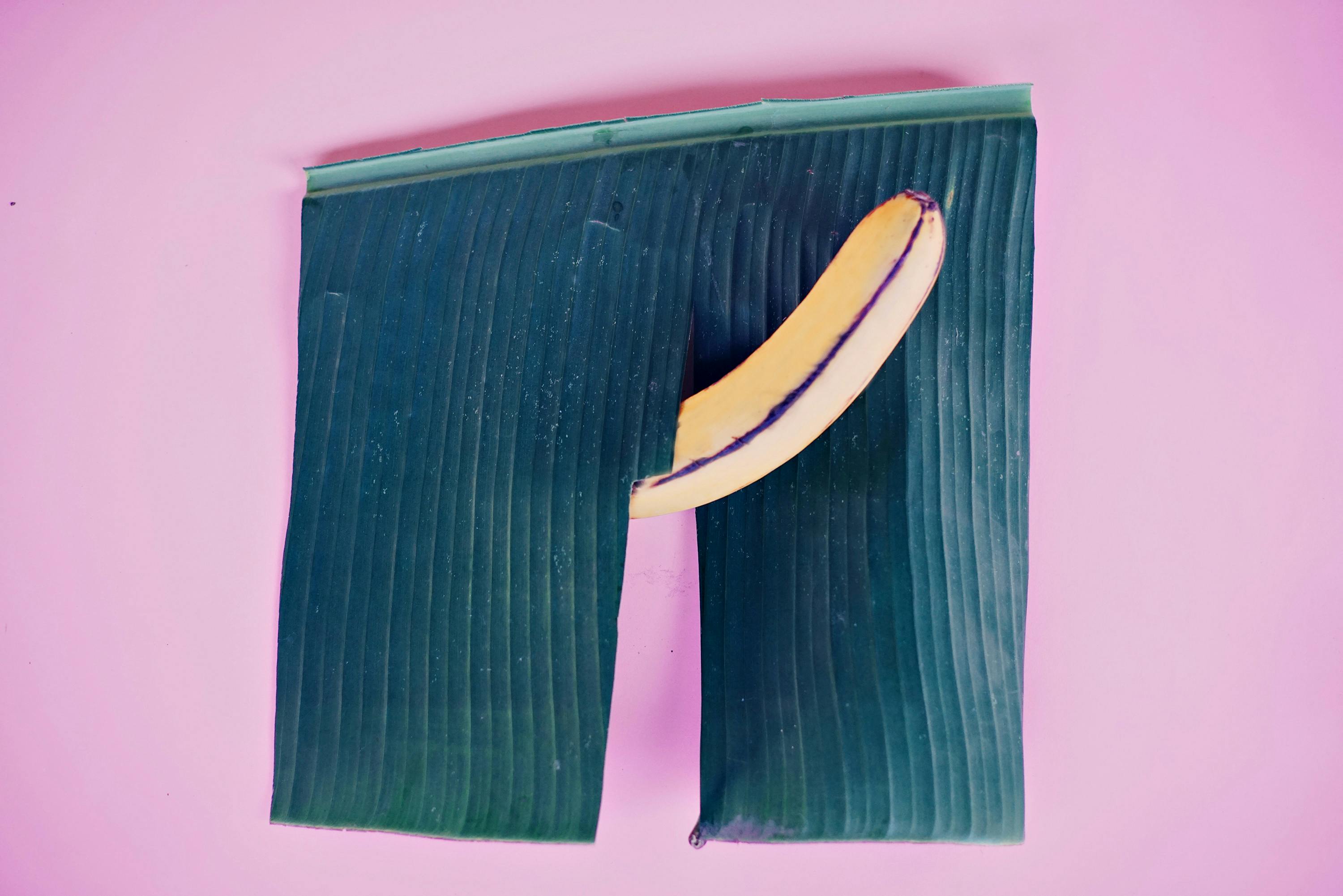


There are some relationship questions you don’t expect to have strong feelings about…until suddenly, you do. This is one of them.
When women were asked how they feel about their man being a “hooded warrior” and the answers were layered than you think.
Many Women Have No Preference at All
A large portion of women said circumcision status simply doesn’t matter to them.
Some shared that they had never been with someone who wasn’t circumcised, but also didn’t see why it would be an issue. Others said they’ve been with both and genuinely couldn’t tell much difference, especially during sex.
Several women noted that when their partner is aroused, the physical differences are minimal and far less noticeable than people expect. For them, attraction, chemistry, and emotional connection mattered far more than anatomy.
“It Looks Different, But That’s About It”
A common theme was visual difference mainly when the penis is flaccid.
Some women said it looks different at rest, but emphasized that this alone didn’t affect attraction or intimacy. One woman shared that it never bothered her or her husband, adding that it wasn’t something she had to “deal with” in any meaningful way.
Others compared it to body differences like piercings or tattoos. They're noticeable, sometimes unfamiliar at first, but ultimately neutral once normalized.
Cultural and Historical Context Came Up
Interestingly, the historical roots of circumcision was also mentioned, noting how it was popularized in part by religious extremism and figures like cereal maker John Harvey Kellogg as a way to reduce masturbation and sexual pleasure.
For these women, learning this context reframed circumcision as a cultural practice rather than a medical or aesthetic necessity. That awareness made being uncircumcised feel more natural rather than “different.”
A Brief History of Circumcision and How It Became “Normal”
Circumcision didn’t become widespread because of modern medicine or universal preference. Historically, it began as a religious and cultural practice, particularly in Jewish and Islamic traditions, where it symbolized covenant, cleanliness, or identity.
The global spread, especially in Western countries, happened much later and for very different reasons.
In the late 19th and early 20th centuries, circumcision was promoted in parts of Europe and the United States as a medical and moral intervention.
One of the most influential voices in this movement was John Harvey Kellogg, a physician and cereal manufacturer, who believed circumcision could prevent masturbation and reduce sexual desire. At the time, masturbation was wrongly viewed as physically and morally harmful.
These beliefs were not based on modern science, but they were powerful enough to shape medical advice, parenting decisions, and cultural norms for generations.
As hospitals began performing routine circumcisions on newborn boys, especially in the United States, the practice slowly shifted from being seen as a religious ritual to being viewed as “standard” or “normal,” even when no medical reason was present.
From a psychological perspective, this matters because what we see as “normal” is often just what we are used to. Attraction and comfort are shaped by exposure, education, and cultural storytelling more than people realize.
This context helps explain why reactions to an uncircumcised partner can feel so strong, even when there is no functional or sexual difference involved.
Negative Reactions: Appearance and Hygiene Concerns
Not all responses were neutral or positive.
Some women admitted they struggled with the visual appearance, describing it as unfamiliar or unappealing to them. Others expressed concern about hygiene, particularly if they lacked accurate information about foreskin care.
It’s worth noting that these concerns were often based on assumptions rather than lived experience. Several women who initially worried about hygiene said those fears disappeared once they realized proper cleaning made it a non-issue.
Unexpected Positives, According to Some Women
A few responses were surprisingly practical and even humorous.
Some women said being with an uncircumcised partner could actually be helpful during sexual activity. One shared that if she wasn’t in the mood for giving oral sex, the foreskin provided enough stimulation that “most of the job is already done.”
Others described sex as feeling more natural or comfortable, without seeing it as better or worse just different.
A Psychologist’s Perspective
As a psychologist, I often see how preferences around bodies are less about the body itself and more about conditioning, familiarity, and meaning.
What we find “normal,” “appealing,” or “off-putting” is actually heavily shaped by culture, early exposure, education, and even silence. In many cultures, circumcision has been presented as the default for so long that anything outside of it feels unfamiliar rather than objectively problematic. Unfamiliarity can easily register as discomfort, even when there’s no real issue.
Concerns around hygiene are understandable, but they’re not unique to circumcision status. Cleanliness, communication, and care matter in all sexual relationships. When those are present, most physical differences tend to fade into the background.
I also want to normalize that attraction is also personal. Not every preference needs to be explained or justified. However, it’s worth gently questioning whether a reaction is truly about compatibility or simply about something being different from what we’re used to.
Conclusion
While some women admitted they couldn’t get past the visual difference, most said it wasn’t a major issue especially during sex. For many, it simply didn’t matter at all.
What consistently mattered more was hygiene, communication, and emotional comfort. When those were present, circumcision status faded into the background.
In the end, this conversation highlights something broader: bodies vary, preferences vary, and intimacy works best when curiosity replaces judgment.
But how about you? Can you get past being with a man who is uncircumcised? Join the conversation and download the Couply App.
About the Author
.jpg)
Sheravi Mae Galang is a clinical psychologist and a content coordinator for the Couply app. Couply was created to help couples improve their relationships. Couply has over 300,000 words of relationship quizzes, questions, couples games, and date ideas and helps over 400,000 people.


