


Sometimes we think we’re choosing people based on chemistry or values. But a lot of the time, there’s a quieter filter at work. One we don’t really notice. Zip-coding.
It’s when we judge potential partners based on where they live, what their lifestyle looks like, or what their environment signals about them. It feels practical on the surface, but it often shapes attraction more than we realize.
What Is Zip-Coding in Dating?
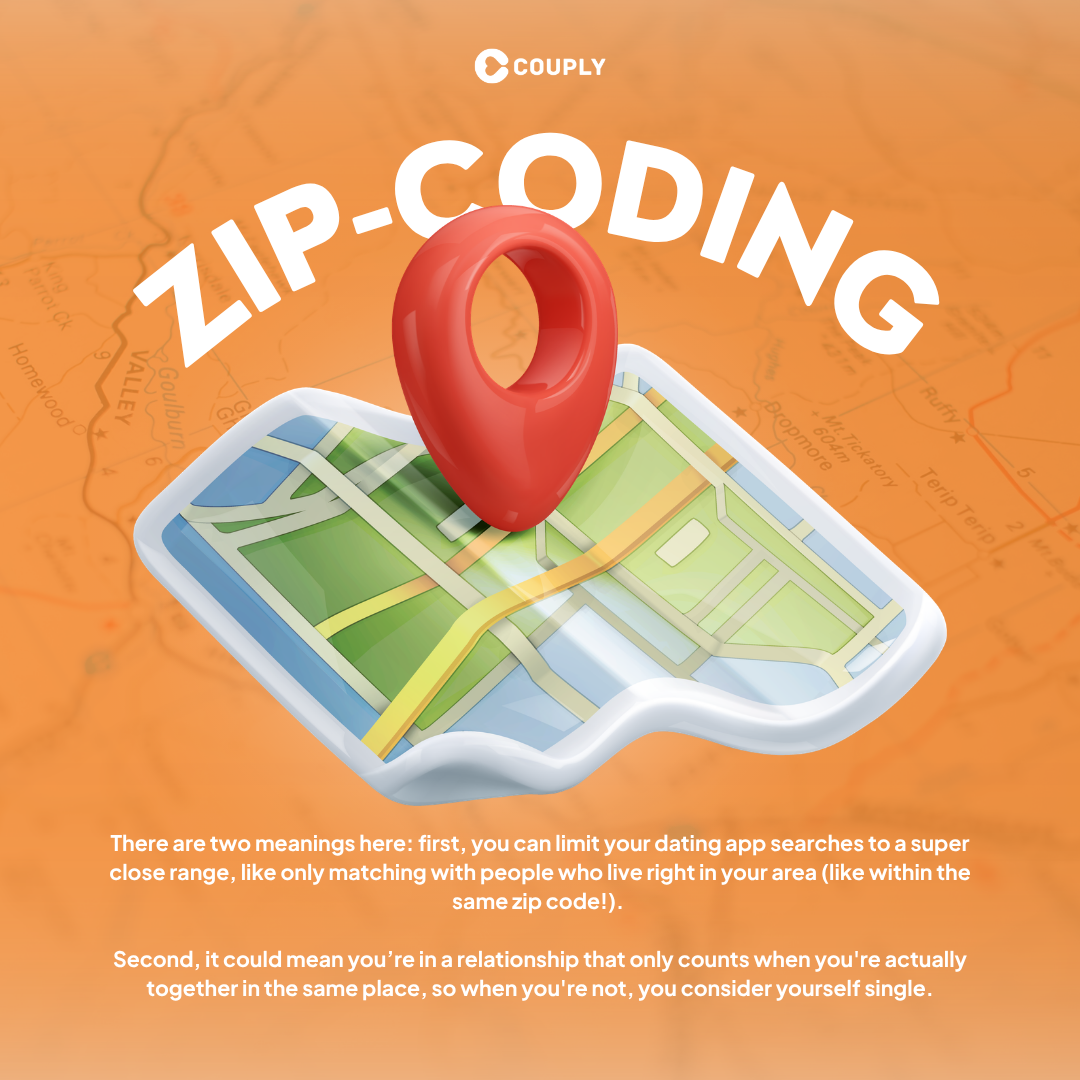
Zip-coding in dating is when people unconsciously sort potential partners based on location, lifestyle, or the social signals tied to where someone comes from.
It’s not just about distance. It’s about what that distance represents. Status. Comfort level. Familiarity. Even assumptions about values or ambition.
Most people don’t openly say, “I’m filtering by zip code.” But it shows up in small decisions. Who feels “too far,” who feels “too different,” and who feels like they automatically fit.
How zip-coding shows up in modern dating
It often looks like quick judgments early in dating. Someone lives across the city and suddenly feels less convenient, so interest drops. Or their neighborhood doesn’t match your usual environment, so you assume they won’t fit your lifestyle.
It can also show up through dating apps. Distance filters, preferred areas, or even subtle bias toward people who “seem like they’re from your world.”
Over time, it becomes a quiet sorting system. Not always intentional, but very influential.
Why it’s not just about distance
Zip-coding isn’t really about travel time. It’s about meaning.
Distance becomes a stand-in for assumptions about compatibility. People connect “far away” with “hard to maintain,” or “different area” with “different life.”
The issue is that these assumptions can cut off genuine connection before it even has a chance to grow.
Sometimes what feels like practicality is actually bias wearing a practical disguise.
Why People Zip-code Without Realizing It
Most people don’t consciously decide to filter others based on location or background. It often happens automatically. Our brains look for shortcuts, and dating is full of uncertainty, so we naturally try to find signals that help us decide who feels like a “good fit.”
The problem is that these shortcuts can sometimes tell us more about our assumptions than the person in front of us.
Safety and Familiarity Bias
We tend to feel more comfortable with what feels familiar.
Someone who shares a similar environment, lifestyle, or background may feel easier to understand. There’s a sense of, “We probably see life the same way.”
That familiarity can feel like compatibility, but they aren’t always the same thing.
A person from a different area or background may initially feel unfamiliar, but that doesn’t mean they won’t share your values, communicate well, or build a strong relationship with you.
Sometimes we mistake what feels known for what is actually right.
Social Conditioning and Class Assumptions
Where someone lives often carries social meanings.
People may unconsciously connect certain places with ideas about:
- Success
- Education
- Lifestyle
- Financial stability
- Social circles
These assumptions can influence attraction before we even get to know someone.
The tricky part is that these judgments often feel like personal preference. But sometimes they’re shaped by the environments we grew up in, the people around us, and the messages we’ve absorbed about what makes someone a “good match.”
Being aware of these patterns doesn’t mean ignoring your needs. It means questioning whether your first impression is based on the actual person or the story you’ve attached to them.
The “Efficiency” Mindset in Dating Apps
Dating apps have made filtering easier than ever.
With a few taps, you can sort by distance, lifestyle, and other preferences. This can feel helpful because dating already requires time, energy, and emotional investment.
But when dating starts to feel like shopping, it’s easy to reduce people into categories.
A person becomes:
- Too far away
- Not the “right” area
- Outside your usual type
- Less convenient
The problem is that real connection doesn’t always follow the easiest route.
Efficiency can help narrow options, but if it becomes the main decision-maker, you might filter out someone who could have been a meaningful match.
We often zip-code because our brains want certainty. But love usually requires staying open long enough to discover what doesn’t fit neatly into a category.
When Zip-coding Becomes a Problem
Location and lifestyle can matter in relationships. Practical things like distance, schedules, and daily routines are real factors. The problem starts when these factors become automatic reasons to reject someone before you’ve actually seen the connection.
Zip-coding becomes limiting when a shortcut turns into a wall.
Dismissing Emotionally Compatible Partners Too Early
Sometimes a person checks all the boxes emotionally, but they get ruled out because of where they live or what their background looks like.
You might think:
- “This would be too complicated.”
- “They’re not really my type.”
- “Our worlds are too different.”
But sometimes those conclusions happen before you’ve had the chance to learn who they actually are.
A strong connection isn’t built only on having the same routines or living similar lives. It also comes from shared values, communication, emotional safety, and how two people handle differences.
When zip-coding takes over, you may lose interest in someone who could have been a good match simply because they didn’t look familiar at first.
Confusing Convenience With Compatibility
Convenience can make dating feel easier.
Someone who lives nearby, has the same schedule, or fits naturally into your current lifestyle may feel like the obvious choice. And sometimes, practical compatibility does matter.
But easy access doesn’t always mean emotional compatibility.
A relationship can be convenient and still feel disconnected. Another relationship can require more effort and still feel deeply fulfilling.
The question isn’t just:
“Does this fit easily into my life?”
It’s also:
“Does this person bring out a healthier, happier version of my life?”
Reinforcing Unconscious Bias in Dating Choices
Zip-coding can quietly strengthen beliefs we don’t realize we have.
We may start making assumptions like:
- People from certain areas are more compatible
- Certain lifestyles mean someone will treat us better
- Similar backgrounds automatically create better relationships
But location doesn’t tell the full story of a person.
Someone’s address doesn’t reveal their emotional maturity, kindness, communication style, or ability to build a healthy relationship.
Being aware of zip-coding isn’t about ignoring your preferences. It’s about making sure your choices come from genuine compatibility rather than automatic assumptions.
A relationship should be filtered by how someone shows up, not just where they come from.
Signs You Might Be Zip-coding Your Dating Life
Zip-coding often happens quietly. You might not think of yourself as judging someone based on their location or background, but your dating patterns can reveal the filters you’re using.
The goal isn’t to criticize your preferences. Everyone has preferences. It’s about noticing when a preference becomes a barrier that keeps you from seeing the person clearly.
You Rule People Out Based on Where They Live
Do you lose interest as soon as you find out someone lives in a certain area?
Maybe you assume the distance will be too inconvenient, the lifestyle won’t match, or the relationship won’t work before you’ve even explored the connection.
Practical factors matter, but it’s worth asking:
“Is this actually a dealbreaker, or is it just unfamiliar?”
Sometimes a location becomes a reason to avoid something that feels uncertain rather than a true incompatibility.
You Assume Lifestyle Based on Location
It’s easy to attach stories to places.
You might assume someone’s values, habits, or personality based on where they live, the kind of neighborhood they’re from, or the lifestyle they appear to have.
But a location is only one part of someone’s story.
Two people can come from very different environments and still share the same values. Meanwhile, two people with similar backgrounds can have completely different approaches to love, communication, and commitment.
A place can tell you where someone is from. It can’t tell you who they are.
You Prioritize Convenience Over Connection
Dating can be tiring, so it makes sense to appreciate what feels easier.
Someone nearby may require less effort. They may fit into your schedule more naturally. They may feel like the practical choice.
But convenience and connection aren’t the same.
A relationship built only around what is easiest can leave you missing what actually matters, like emotional safety, shared goals, and how you feel when you’re with someone.
Ask yourself:
“Am I choosing this because it feels right, or because it feels simple?”
You Feel “Out of Place” Dating Outside Your Circle
Sometimes zip-coding isn’t about rejecting others. It’s about feeling like you don’t belong outside what’s familiar.
You might feel:
- “They’re from a world I don’t understand.”
- “Would I fit into their life?”
- “Would our differences become a problem?”
These feelings are normal. Differences can bring uncertainty.
But discomfort doesn’t always mean incompatibility. Sometimes it simply means you’re stepping outside a familiar pattern.
Your dating preferences should help you find connection, not automatically filter out people before you’ve had the chance to know them.
How to Stop Zip-coding (Without Ignoring Reality)
The goal isn’t to pretend practical factors don’t matter. Distance, lifestyle, and daily routines can affect relationships. But there’s a difference between considering real compatibility factors and automatically rejecting someone based on assumptions.
Stopping zip-coding starts with becoming more curious about the person behind the label.
Separate Convenience From Compatibility
Convenience asks:
“Does this person fit easily into my current life?”
Compatibility asks:
“Do we connect in the ways that actually matter?”
A nearby partner may make logistics easier, but proximity alone doesn’t create emotional safety, trust, or a healthy relationship.
At the same time, someone who lives farther away or has a different lifestyle may require more planning and adjustment. That doesn’t automatically mean the relationship won’t work.
Before ruling someone out, try asking:
“Is this a real obstacle, or just something that feels less familiar?”
Challenge First-Impression Assumptions
First impressions help us make quick decisions, but they can also be influenced by assumptions we don’t realize we have.
You might catch yourself thinking:
- “They probably won’t understand my lifestyle.”
- “We’re too different.”
- “People from that background aren’t usually my type.”
Instead of accepting the thought immediately, get curious.
Ask:
- “What do I actually know about this person?”
- “Am I responding to who they are, or what I assume they represent?”
A person is always more complex than the category we place them in.
Focus on Emotional Alignment Over Geography
A relationship isn’t built by having the same address. It’s built through how two people show up for each other.
Pay attention to things like:
- How they communicate
- How they handle conflict
- Whether you feel respected and understood
- Whether your values align
- Whether you can grow together
Geography can affect a relationship, but it doesn’t define its potential.
The strongest connections often come from discovering that someone fits you in ways you didn’t expect.
The healthiest dating choices aren’t based on ignoring practical reality. They come from knowing the difference between a true incompatibility and a story you created before getting to know someone.
What Healthy Dating Looks Like Instead
Healthy dating isn’t about having no preferences. It’s about being aware of why you’re choosing or rejecting someone.
Everyone has needs, values, and dealbreakers. The difference is whether those choices come from genuine compatibility or automatic assumptions.
Instead of quickly sorting people into categories, healthy dating leaves room for curiosity, context, and real connection.
Curiosity Over Categorization
Categorizing people can feel efficient.
It helps us make quick judgments:
- “They’re not from my world.”
- “We probably wouldn’t work.”
- “They don’t fit what I imagined.”
But people are more complicated than the boxes we place them in.
Curiosity means asking:
- “Who is this person beyond my first impression?”
- “What can I learn about them before deciding?”
- “Am I making a choice based on facts or assumptions?”
You don’t have to force a connection that isn’t there. You’re simply giving yourself enough information to make a fair decision.
Connection Over Convenience
Convenience matters. Relationships involve real life, and practical things like schedules, distance, and responsibilities affect how couples function.
But a relationship built only on convenience can miss deeper compatibility.
The person who is easiest to date isn’t always the person you connect with most.
Connection looks like:
- Feeling emotionally safe
- Being able to communicate honestly
- Sharing important values
- Feeling understood and respected
A little extra effort doesn’t automatically mean something is wrong. Sometimes meaningful relationships require flexibility.
Awareness Over Automatic Filtering
We all have filters.
Some come from personal experiences. Others come from culture, social circles, family expectations, or what we’ve been taught about what a “good match” looks like.
The goal isn’t to remove every preference. It’s to notice when your filters are making decisions before you do.
Healthy dating sounds like:
“I know what matters to me, but I’m open enough to discover who someone really is.”
Real connection happens when you stop asking only, “Does this person fit my existing world?” and start asking, “Can we create something healthy together?”
Zip-coding isn’t always obvious. It shows up in small decisions, quick assumptions, and early exits from potential connections that never get the chance to grow.
Sometimes it feels practical. Sometimes it feels like “just knowing what you want.” But often, it’s a mix of convenience, familiarity, and unconscious bias doing the filtering before real connection can even form.
Just because someone is close doesn’t mean they’re right for you. And just because someone is far or unfamiliar doesn’t mean they’re wrong for you.
Proximity affects convenience, not emotional depth.
Compatibility is built through how you connect, communicate, and grow together, not just where you start from.
Don’t let geography decide emotional potential
Love doesn’t always come from the most convenient place. Sometimes it asks for a little more openness before it becomes clear.
If you only choose what feels familiar or easy, you might miss what could have been meaningful.
Let location be a detail, not a decision-maker.