



A shared getaway can bring new energy into a relationship, particularly when the experience encourages exploration, reflection, and deeper connection. Summer camp settings are gaining traction among couples who want a retreat that feels playful yet meaningful. These environments offer a blend of structured activities, downtime, and natural surroundings that support reconnection without pressure. Time spent away from familiar routines often reveals new layers of understanding between partners. The mix of outdoor challenges, creative workshops, and quiet spaces invites couples to interact in ways that feel refreshing.
Immersion in Nature Creates Space for Connection
Nature-based environments tend to support emotional openness by slowing the mental pace and drawing attention toward shared experiences. Couples step into settings where the sounds, textures, and movements of the outdoors become part of the bonding process. The shift into open-air living encourages curiosity and lightness. Spending extended time outside invites conversations that drift away from logistics and shift toward hopes, values, and memories.
Partners often find that walking forest paths or sitting beside the water leads to a more grounded kind of dialogue. Activities such as guided hikes, canoeing, or stargazing introduce gentle challenges that promote teamwork. Many camp programs, including those offered at places like CampWing, integrate nature-based reflection periods that help couples notice how they communicate and support one another. This type of setting replaces daily stressors with sensory richness, creating more opportunity for emotional renewal.
Shared Activities Strengthen Teamwork and Trust
Collaborative experiences spark new forms of interaction, which is why summer camp activities often become turning points for couples. When partners try something new together, they rely on communication and encouragement to move forward. These shared efforts build confidence in one another’s abilities and intentions. Even lighthearted challenges, such as tandem paddling or solving problem-based tasks, highlight patterns of cooperation. Instructors guide couples toward approaches that reduce frustration and make space for patience.
The sense of achievement that follows strengthens relational trust. Playful activities reduce self-consciousness and help partners rediscover the ease of enjoying each other’s company. Many couples appreciate how these experiences create stories that become meaningful touchpoints long after the retreat ends. Through trial, error, and laughter, couples find themselves reconnecting on a deeper level.
Opportunities for Personal Reflection Support Growth
Retreat-style summer camps often provide structured quiet periods that encourage self-awareness. These moments allow individuals to observe their emotional responses, communication habits, and sources of tension. Personal insight becomes more accessible when the environment feels supportive and unhurried. Journaling sessions, mindfulness practices, and guided relaxation help participants recognize unmet needs or overlooked strengths.
Many realize how personal stress patterns influence the relationship dynamic. With greater clarity, partners come together with a renewed willingness to share honestly. Time spent alone or in reflective workshops complements the interactive components of the retreat, creating balance. This internal reset often leads to more constructive conversations and a more grounded connection.
Play and Novelty Rekindle Positive Energy
Recreation is a powerful connector because it brings back the spontaneous joy that often marks the early stages of a relationship. Camps encourage couples to set aside seriousness and engage in activities that evoke laughter and creativity. Novel experiences pull partners out of habitual roles and remind them that relationships thrive when both people feel free to express their playful sides.
Many couples find that silliness breaks down emotional barriers. Activities such as art projects, themed events, or friendly competitions help partners rediscover a spark that may feel dulled by routine. The renewed sense of levity often carries into later conversations, making them more compassionate and less defensive. Play becomes a bridge to intimacy by reminding partners of their shared joy.
Moments Designed for Communication Deepen Understanding
Many summer camp retreats incorporate guided dialogue sessions that help couples communicate with intention. Trained facilitators introduce frameworks that make it easier to express feelings and listen with empathy. Partners practice naming emotions without blame and learn how to ask clarifying questions that reveal deeper meaning. The retreat atmosphere removes common barriers, allowing couples to speak more openly.
Guided communication work can become one of the most transformative components of the camp experience. Couples often feel seen and heard in ways that strengthen their emotional connection. The safe structure encourages honesty without tension and helps partners carry these improved habits into their daily lives.
Breaks From Routine Open Doors for Renewed Appreciation
Stepping away from everyday responsibilities gives couples a chance to notice one another with fresh eyes. Many discover that distance from normal schedules uncovers qualities they had stopped noticing. When partners interact in a new setting, appreciation naturally resurfaces.
Retreats offer just enough structure to keep couples engaged while leaving space for rest, conversation, and discovery. Some camps provide sunset gatherings, reflection circles, or quiet lounges that encourage gentle reconnection. These shared pauses often hold as much value as the scheduled activities. The combination of novelty and rest allows affection to grow with less effort and greater sincerity.
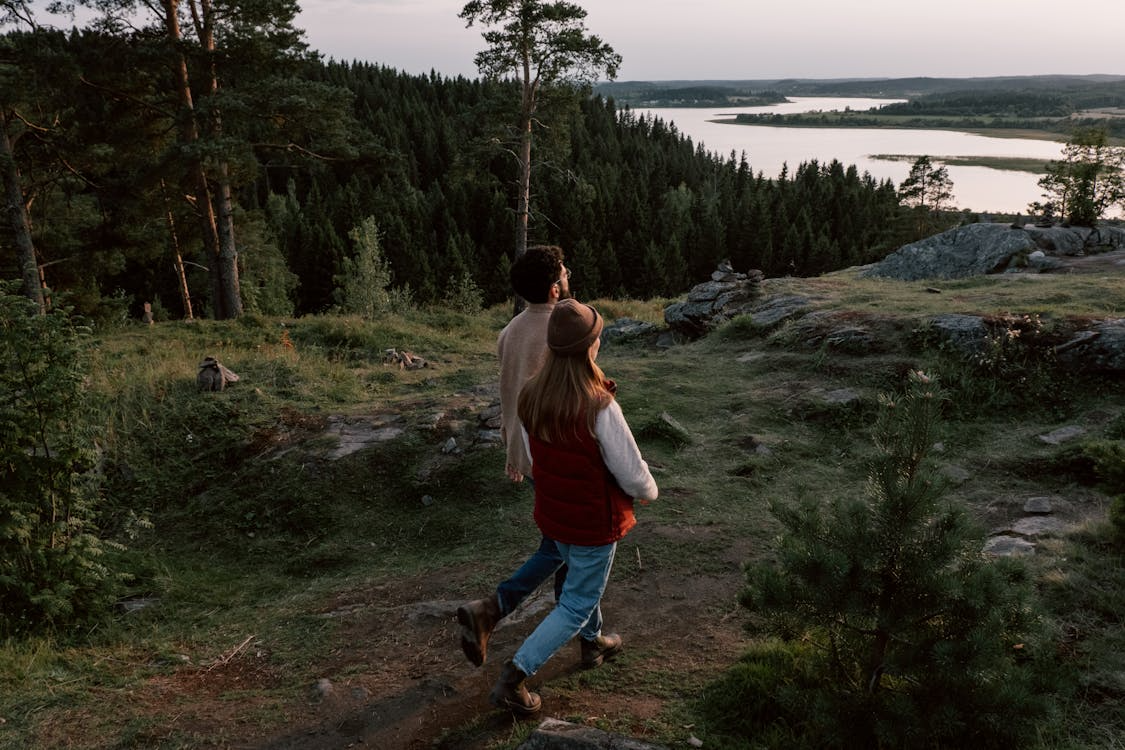
A summer camp retreat offers couples a path toward renewed closeness by blending nature, shared exploration, meaningful dialogue, and intentional rest. The environment encourages curiosity, teamwork, and emotional openness, allowing partners to reconnect in ways that feel both refreshing and sincere. Through play, reflection, and supportive structure, couples return home with deeper appreciation and stronger bonds that continue to shape the relationship long after the retreat ends.


